Fall Farm Planning: What Should Producers Be Doing Before Winter?
Other
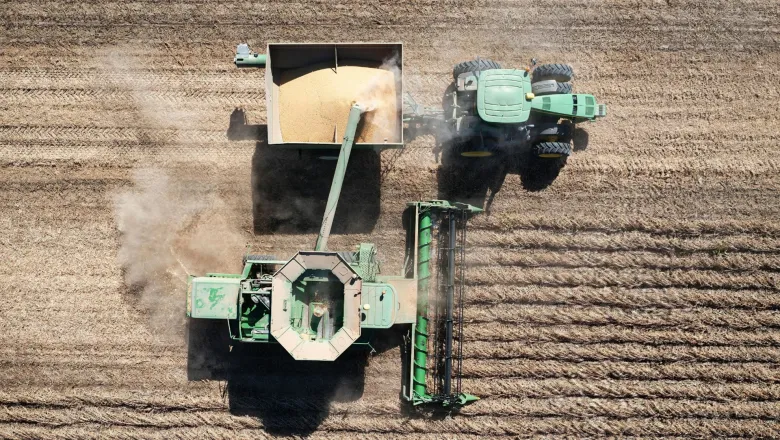
As harvest season begins across Virginia, West Virginia and Maryland, many producers are focused on bringing in crops, managing livestock and preparing for changing weather. While fall is one of the busiest times of the year, it is also one of the best opportunities to set next year's operation up for success.
A few proactive steps this season can help improve soil health, protect equipment, strengthen financial planning and reduce surprises during the winter months.
Why Is Fall Planning Important for Farm Operations?
Fall serves as a natural transition point on most farms. Harvest provides valuable information about crop performance, forage availability, equipment needs and overall profitability.
Taking time to review what worked well and identify areas for improvement can make winter planning more productive and help producers make informed decisions before spring arrives.
Questions to consider include:
- Which fields performed best this year?
- Were input investments profitable?
- Are there equipment repairs that should be completed before winter?
- Is there adequate feed and forage inventory?
- What management changes should be considered next season?
The answers often provide the foundation for next year's plans.
What Should Crop Producers Evaluate After Harvest?
Harvest offers one of the best opportunities to assess field performance.
As crops come off, review yield maps, field notes and scouting records to identify both successes and challenges. Pay attention to areas affected by drought stress, weed pressure, nutrient deficiencies or drainage issues.
Consider:
- Which fields met yield expectations?
- Were there recurring pest or disease problems?
- Did fertilizer programs deliver expected results?
- Were there areas affected by compaction or erosion?
- What lessons can guide next year's crop plan?
Documenting observations now can provide valuable information when making winter management decisions.
Is It Time to Plant Cover Crops?
For many producers, fall presents an excellent opportunity to improve soil health through cover crops.
Cover crops can help reduce erosion, improve water infiltration, suppress weeds and add organic matter. Depending on operation goals, species selection may focus on nutrient retention, grazing opportunities or soil improvement.
Benefits may include:
- Improved soil structure
- Reduced nutrient losses
- Better moisture retention
- Increased organic matter
- Enhanced resilience during extreme weather
Even small cover crop trials can provide valuable experience and help determine what works best for specific fields.
What Should Livestock Producers Be Reviewing This Fall?
Fall management is an important time to evaluate herd health and prepare for winter feeding needs.
Producers should assess forage inventories, body condition scores, breeding performance and overall herd health before colder temperatures arrive.
Review:
- Hay inventory and quality
- Winter grazing plans
- Water systems and freeze protection
- Vaccination protocols
- Breeding and pregnancy status
- Pasture conditions
Addressing concerns now often reduces stress on both livestock and producers during winter months.
Is Your Equipment Ready for Winter Storage?
After a busy growing season, equipment maintenance can easily be delayed. However, fall is often the most cost-effective time to perform inspections and repairs.
Before equipment is stored:
- Clean machinery thoroughly
- Inspect belts, hoses and bearings
- Change fluids as recommended
- Repair worn or damaged components
- Check tire condition and inflation
- Protect equipment from weather exposure
Completing maintenance before winter can help extend equipment life and reduce downtime during the next growing season.
What Financial Items Should Producers Review Before Year-End?
Fall is also a good time to evaluate the farm's financial position.
Reviewing records before the end of the year can help identify opportunities to improve cash flow management, prepare for tax discussions and support future investment decisions.
Consider reviewing:
- Current operating expenses
- Revenue projections
- Debt obligations
- Capital improvement needs
- Equipment replacement plans
- Input purchasing strategies for next season
Meeting with financial and tax advisors before year-end can help producers make informed decisions while there is still time to act.
What Should Farmers Be Planning for Next Year?
Many of the best management decisions are made months before the next growing season begins.
Use information gathered this fall to begin evaluating:
- Crop rotations
- Cover crop strategies
- Livestock expansion plans
- Conservation practices
- Equipment upgrades
- Land rental opportunities
- Risk management strategies
The most successful plans are often built on observations collected during the current season rather than relying on memory later.
What Is the Bottom Line?
Fall is more than harvest season. It is also one of the most valuable planning periods of the year.
Taking time to review crop performance, assess livestock needs, maintain equipment, evaluate finances and begin planning for next season can help position your operation for long-term success. A few hours spent evaluating your farm this fall may lead to better decisions, fewer surprises and a stronger start when spring returns.
Sources and additional information can be found:
USDA Natural Resources Conservation Service (NRCS)
For information related to:
- Cover crops
- Soil health
- Conservation planning
- Nutrient management
- Erosion prevention
Source:
- https://www.nrcs.usda.gov
USDA Farm Service Agency (FSA)
For information related to:
- Farm business planning
- Risk management
- Conservation programs
- Farm records and financial reviews
Source:
- https://www.fsa.usda.gov
Virginia Cooperative Extension
Particularly relevant for Farm Credit of the Virginias' territory.
For information related to:
- Post-harvest field evaluations
- Livestock winter preparation
- Forage management
- Equipment maintenance recommendations
Source:
- https://www.pubs.ext.vt.edu
West Virginia University Extension
For:
- Livestock management
- Fall pasture planning
- Winter feed preparation
Source:
- https://extension.wvu.edu
University of Maryland Extension
For:
- Cover crop management
- Soil conservation
- Crop production planning
Source:
- https://extension.umd.edu
Penn State Extension and NC State Extension
Often cited throughout the Mid-Atlantic for:
- Farm business management
- Year-end financial planning
- Machinery maintenance
- Forage and grazing management
Sources:
- https://extension.psu.edu
- https://content.ces.ncsu.edu