Farm Credit Grant Helps Greene County 4-H Bring Agriculture to Life
Charitable Contributions Fund
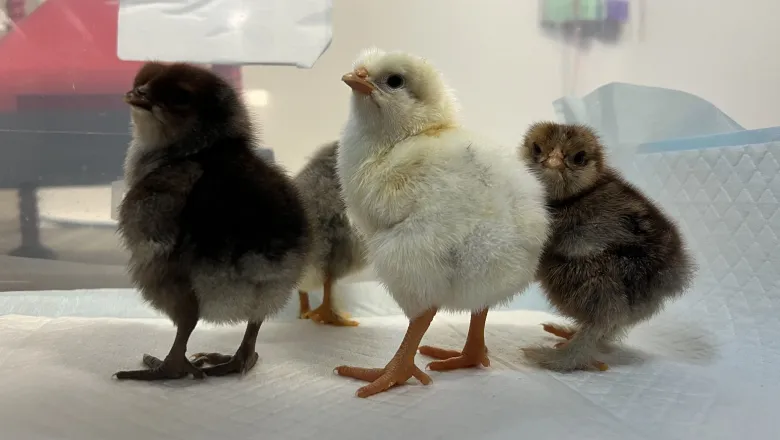
Greene County 4-H provided more than 150 students with a front row seat to one of nature's most remarkable processes through an Embryology Education Project, which was funded by a 2025 Charitable Contributions Fund (CCF) grant from Farm Credit of the Virginias.
.jpeg)
The grant funds were used to purchase necessary supplies, such as incubators and feeders, to ensure five classrooms had the necessary resources to safely support chicks throughout the incubation and hatching process while maintaining proper biosecurity practices. The project also benefited from the generosity of local breeders who donated fertilized eggs.
Over the course of the 21-day incubation period, Greene County 4-H educators visited classrooms to guide students through lessons on egg anatomy, embryo development, poultry life cycles and responsible animal husbandry. Students also participated in candling activities, using specialized techniques to observe growth and development inside the eggs. Anticipation grew throughout the incubation period as students eagerly monitored the chicks' development and counted down to hatch day.
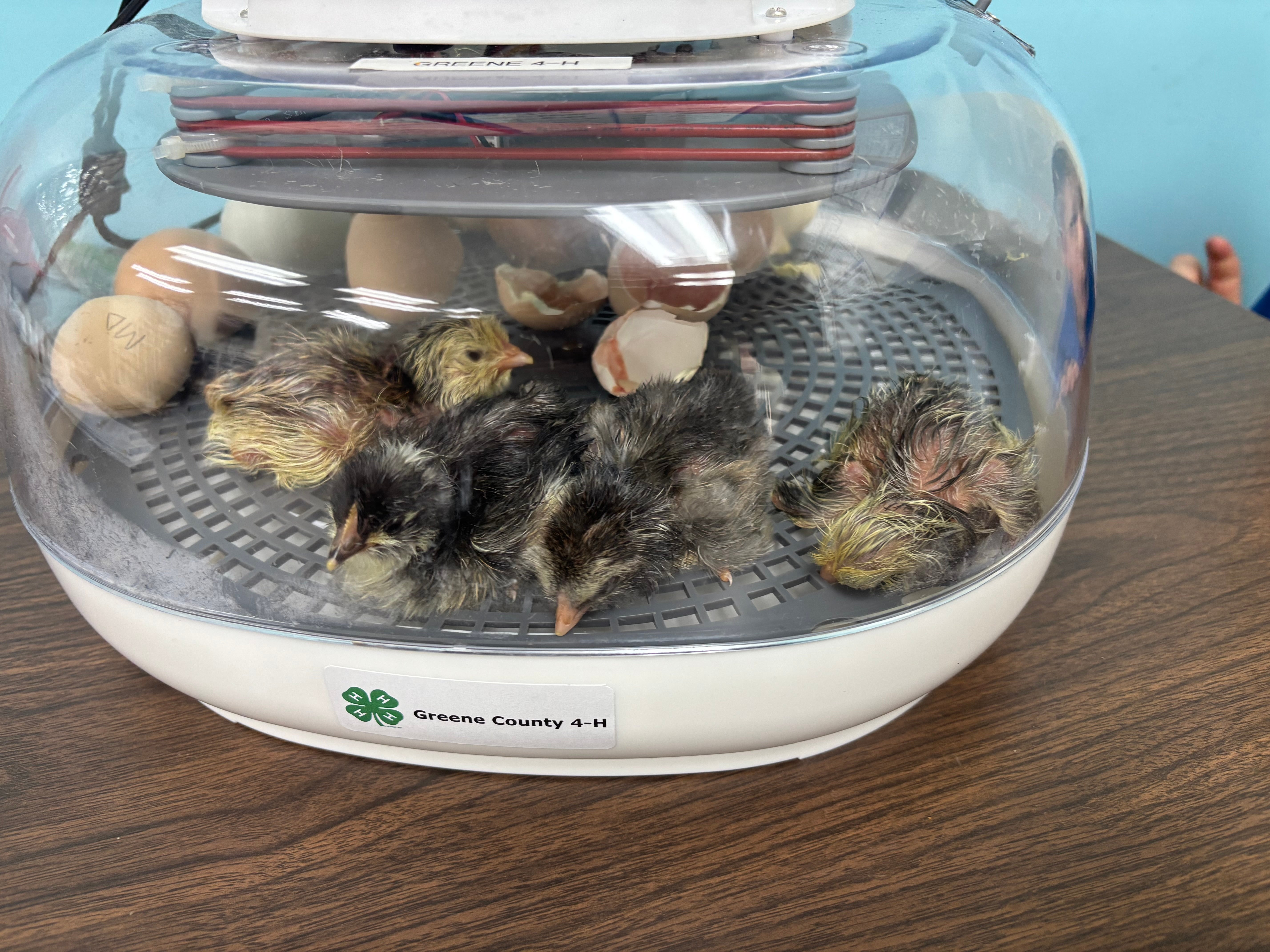
The project culminated with the hatching of the chicks, giving students the opportunity to witness the poultry life cycle firsthand. As they watched the chicks develop and hatch, students gained a deeper understanding of agriculture, animal science and food production while bringing classroom lessons to life.
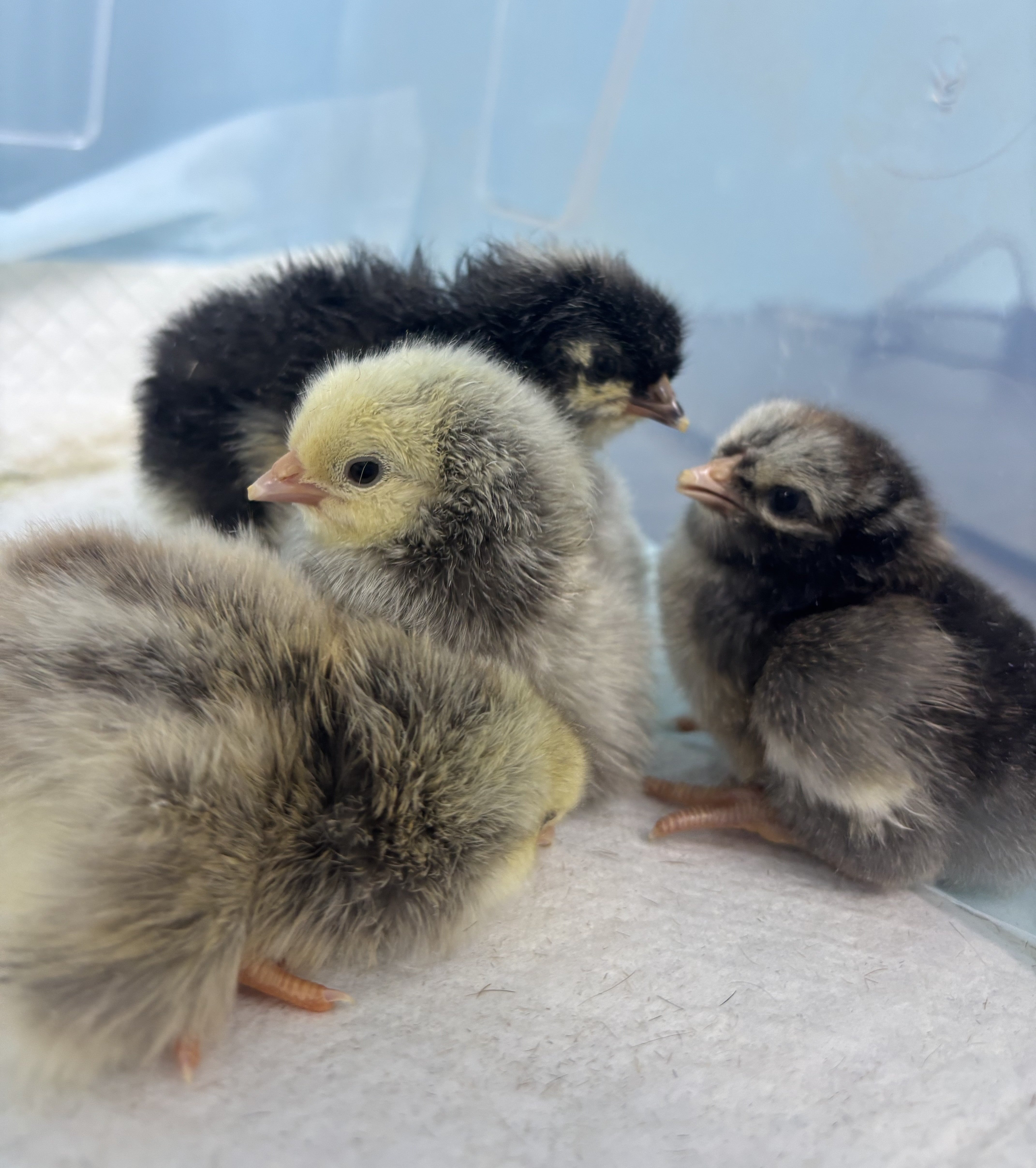
Beyond teaching agricultural literacy, the Embryology Education Project helped students develop valuable life skills. Through daily observation and care, participants strengthened their sense of responsibility, critical thinking, patience and excitement for agriculture. These outcomes reflect the core 4-H philosophy of "Learn by Doing," which helps prepare youth to better understand and appreciate agriculture and rural life.
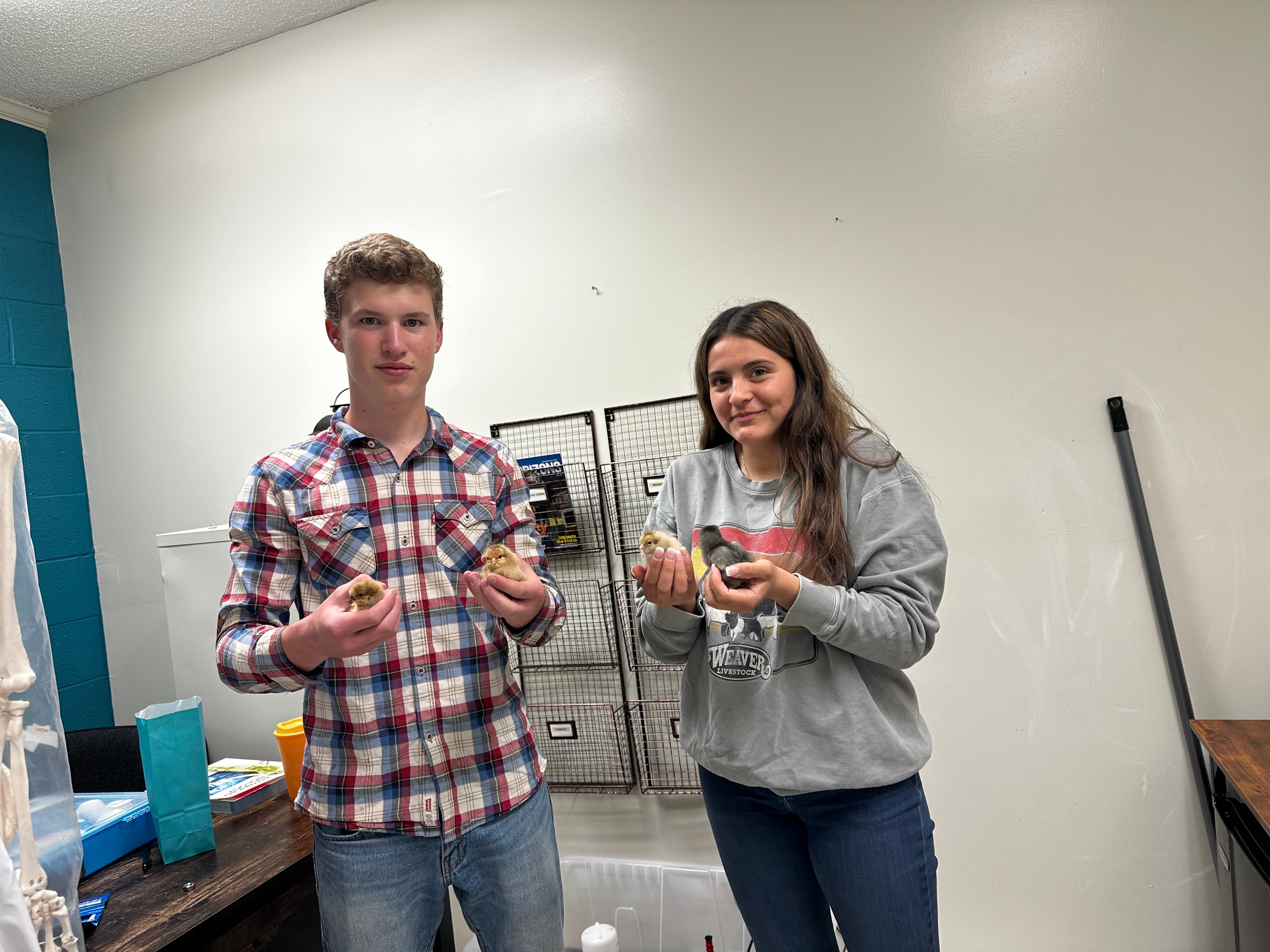
Farm Credit of the Virginias is proud to support Greene County 4-H and initiatives like their Embryology Education Project, providing students with valuable hands-on agricultural learning experiences and a deeper understanding of animal science and food production.