Mid-Year Farm Check-Up: What Should Farmers Review Before Harvest?
Farm Management Resources
Why Is a Mid-Year Farm Check-Up Important?
By midsummer, most Mid-Atlantic farmers have a clearer picture of how the growing season is progressing. Crop conditions, input costs, equipment performance and livestock health can all provide valuable insights into what the rest of the year may look like. A mid-year review helps farmers identify potential problems while there is still time to make adjustments and improve outcomes.
The review doesn't have to be complicated. Taking a few hours to evaluate operations now can help prevent costly surprises during harvest.
What Should Farmers Look for When Evaluating Crops Mid-Season?
A mid-season crop evaluation starts with getting into the field.
Walk fields and assess crop development, stand uniformity, weed pressure, insect activity, disease presence and signs of nutrient deficiencies. Regular crop scouting is a key component of integrated pest management and can help identify issues before they significantly impact yield potential.
As you evaluate fields, ask yourself:
- Are crops progressing as expected?
- Which fields currently have the highest yield potential?
- Are there recurring problem areas that need attention?
- Have fertilizer and crop protection investments delivered the expected results?
Taking notes and photographs can help document issues that may influence management decisions this fall and next season.
Want to improve your scouting routine? Explore this crop scouting guide for practical tips on identifying pests, diseases and yield-limiting issues.
Need crop-specific recommendations? Review University of Maryland's production guide for region-specific management strategies.
Is Your Equipment Ready for Harvest?
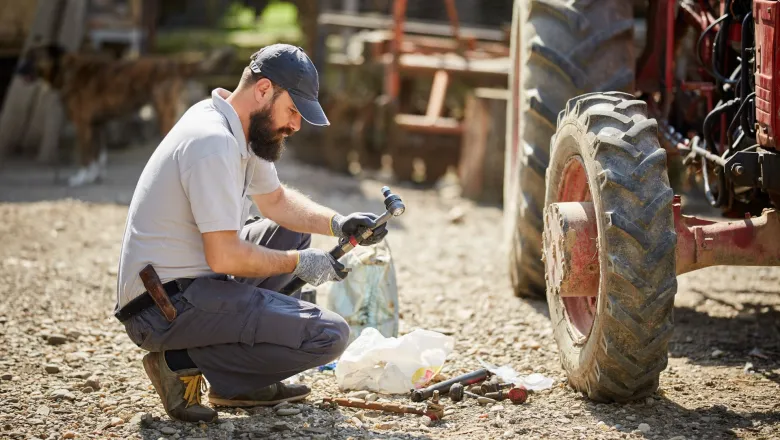
Equipment breakdowns are inconvenient any time of year, but they are especially costly during harvest.
Before harvest season begins, inspect combines, tractors, grain handling equipment, hay equipment, trucks and trailers. Proactive maintenance can reduce downtime and improve safety when workloads increase.
Focus on:
- Tires and wheels
- Hydraulic hoses
- Bearings
- Belts and chains
- Batteries and electrical systems
- Safety shields and guards
A few hours spent in the shop during July or August can save days of frustration later.
Looking for equipment management resources? Browse these tools and guides to help keep machinery operating efficiently.
Preparing for harvest? Check out these equipment readiness recommendations before the busy season begins. Reduce downtime with preventive maintenance strategies designed for farm equipment and operations.
What Should Livestock Producers Review During a Mid-Year Check-Up?
Summer heat places additional stress on livestock throughout the Mid-Atlantic region.
Heat stress can reduce feed intake, weight gain, fertility and overall performance, making mid-year evaluations especially important for cattle, dairy, poultry and other livestock operations.
Review:
- Weight gain and production records
- Breeding performance
- Herd health protocols
- Water availability
- Feed inventories
- Pasture conditions
Access to clean water is particularly important during periods of high heat and humidity, when livestock water consumption can increase significantly.
This is also a good time to estimate forage supplies and determine whether hay inventories will meet winter feeding needs.
Learn how to recognize and reduce heat stress risks before extreme temperatures affect herd performance.
Explore management practices that can support livestock health and productivity during challenging weather conditions.
Are your cattle cool? Get practical tips for helping cattle stay healthy, comfortable, and productive during hot weather.
What Can Soil Conditions Tell You About Future Productivity?
Mid-season is often when soil-related issues become most visible.
Poor drainage, nutrient deficiencies, erosion and compaction frequently show up as areas of reduced crop performance. Identifying those problem spots now can help prioritize improvements after harvest.
Consider:
- Which fields consistently underperform?
- Are there signs of compaction?
- Do certain areas remain wet or drought-stressed?
- Are nutrient deficiencies appearing?
The USDA Natural Resources Conservation Service encourages regular soil health assessments as part of a long-term strategy to improve productivity and resilience.
These observations can guide future soil testing, cover crop plans, drainage projects, and nutrient management decisions.
Learn how drought conditions can impact forage supplies and livestock management decisions.
Want a better understanding of your soil? Use this field assessment guide to evaluate soil health indicators.
Discover soil health practices that can improve productivity and resilience over time.
What Should Farmers Be Planning for Right Now?
The middle of the season is often the best time to begin thinking ahead.
Current field observations can help shape decisions about:
- Cover crop selection
- Crop rotations
- Soil improvement projects
- Equipment upgrades
- Land rental opportunities
- Input purchases for next season
The best plans are based on fresh observations rather than memories several months later.
What Are the Most Important Questions to Ask During a Mid-Year Farm Review?
If time is limited, focus on these key questions:
- Are my crops performing as expected?
- Have my costs remained within budget?
- Is my equipment ready for harvest?
- Are my livestock handling summer stress effectively?
- Do I have enough forage and feed inventory?
- Are there field issues that should be addressed this fall?
- What lessons from this season should influence next year's plans?
Answering these questions can provide a strong snapshot of overall farm performance.
What Is the Bottom Line?
A mid-year farm check-up doesn't need to be an extensive audit. For most farms, success comes from taking a step back and evaluating a few key areas: crop performance, equipment readiness, livestock management and future planning.
The sooner challenges are identified, the more options farmers have to address them. A few hours invested now can lead to a smoother harvest, better decision-making and a stronger finish to the year.