October on the Farm: What are Five Timely Tasks for Mid-Atlantic Producers?
Farm Management Resources
As cooler temperatures arrive and harvest activities begin to wind down, October presents a valuable opportunity for Mid-Atlantic farmers to prepare their operations for the months ahead. From protecting soil health to reducing winter feed costs, taking action now can improve productivity, resilience and profitability well into next year. Here are five Extension-backed recommendations for October farm management.
How do Cover Crops Protect and Improve Soil?
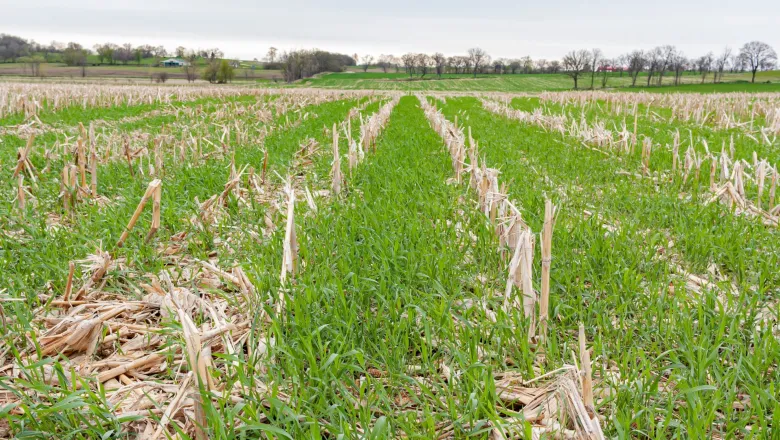
One of the most beneficial practices farmers can implement following harvest is the establishment of cover crops. Cover crops help reduce soil erosion, improve water infiltration, suppress weeds and capture nutrients that might otherwise be lost during the winter months. Researchers note that Mid-Atlantic farmers have become national leaders in cover crop adoption because of the significant environmental and agronomic benefits these crops provide.
READ MORE: Managing Fall-Planted Cover Crops for Maximum Benefit (University of Delaware)
For fields harvested in September and October, cereal rye remains a dependable option because of its ability to establish later in the season and produce substantial biomass. Producers seeking additional nitrogen benefits may consider including legumes such as crimson clover or hairy vetch in cover crop mixes where planting windows allow.
READ MORE: Recommendations for Fall Cover Crop Planting (University of Delaware)
Should Soil Testing be Part of Fall Planning?
Fall is an excellent time to evaluate soil fertility. By collecting soil samples before winter, producers can identify nutrient deficiencies, monitor pH levels and make informed decisions regarding lime and fertilizer applications before spring planting.
Understanding soil fertility needs is an essential component of sustainable crop management. Additionally, cover crop systems can enhance nutrient cycling and support long-term soil health, making fall a strategic time to assess overall field conditions.
The information gained through soil testing can help farmers optimize input costs while supporting strong crop performance in the coming growing season.
READ MORE: A Farmer’s Guide to Agriculture Soil Testing (Farm Bureau Financial Services)
Are You Planning to Stockpile Tall Fescue for Winter Grazing?
Livestock producers should use October to prepare for winter grazing opportunities. Stockpiling forage, particularly tall fescue, can provide a cost-effective source of feed during late fall and winter, reducing reliance on stored hay and purchased feed.
Extension resources emphasize the importance of preserving existing forage growth during the fall so it can be utilized when pasture growth slows or stops during colder months. Proper grazing management can help maximize available forage while maintaining pasture health.
By entering winter with a grazing plan already in place, producers may be able to lower feed expenses while maintaining animal performance.
READ MORE: Graze 300 VA (Virginia Cooperative Extension)
How do Producers Stay Ahead of Winter Annual Weeds?
October is also a critical time to monitor harvested fields for winter annual weeds. Left unmanaged, these weeds can become established before winter and create challenges for next year's crops.
Extension specialists recommend implementing early management strategies and utilizing cover crops as part of an integrated approach to weed suppression. The biomass generated by fall-seeded cover crops can help reduce weed pressure while providing additional soil health benefits.
Regular field scouting throughout the fall can help producers identify emerging issues before they become larger management challenges in the spring.
READ MORE: Mid-Atlantic Weed Guide, Essentials for Agronomic Crops (PennState Extension)
What Should Producers do to Prepare Livestock Facilities for Winter Weather?
Before freezing temperatures arrive, October is a good time to inspect livestock facilities and equipment. Producers should evaluate water systems, check feed storage areas, repair fencing and ensure backup power systems are functioning properly.
Proactive maintenance can help prevent weather-related disruptions that impact animal health and daily operations during the winter months. Extension and conservation resources consistently encourage farmers to address infrastructure needs before severe weather conditions develop.
Small investments of time now can help avoid costly repairs and operational interruptions later in the season.
READ MORE: Preparing Livestock Farms for Winter Weather (NC Cooperative Extension)
Final Thoughts
October is a month of transition across the Mid-Atlantic, making it an ideal time to focus on preparation and long-term stewardship. Planting cover crops, testing soils, planning winter grazing, managing weeds and winterizing livestock facilities can position farms for success in the coming year. By following recommendations from regional Extension specialists, producers can protect valuable resources, improve operational efficiency and strengthen the resilience of their farming operations.