From Vine to Vision: How John Noer is Building a Legacy in Virginia Wine Country
Member Feature Stories
Young, Beginning, Small & Veteran Farmers
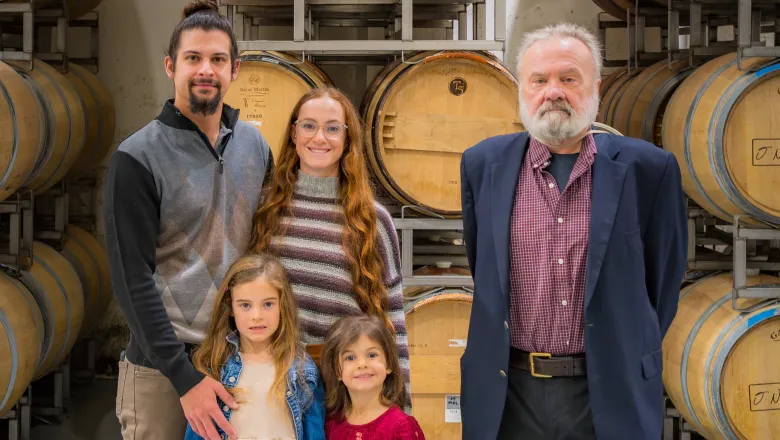
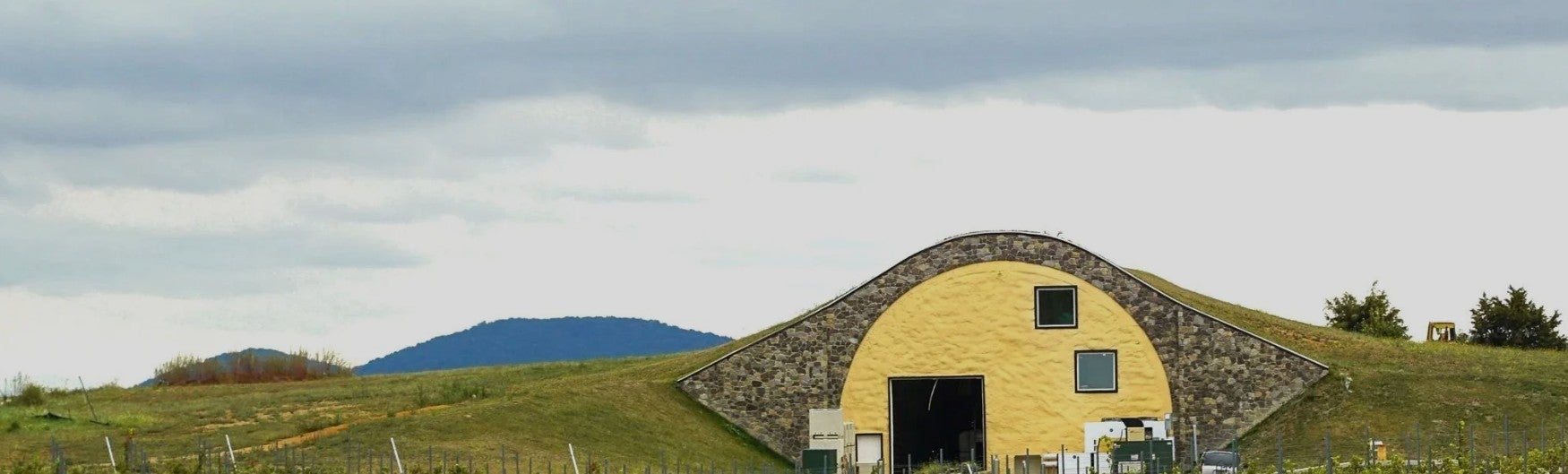
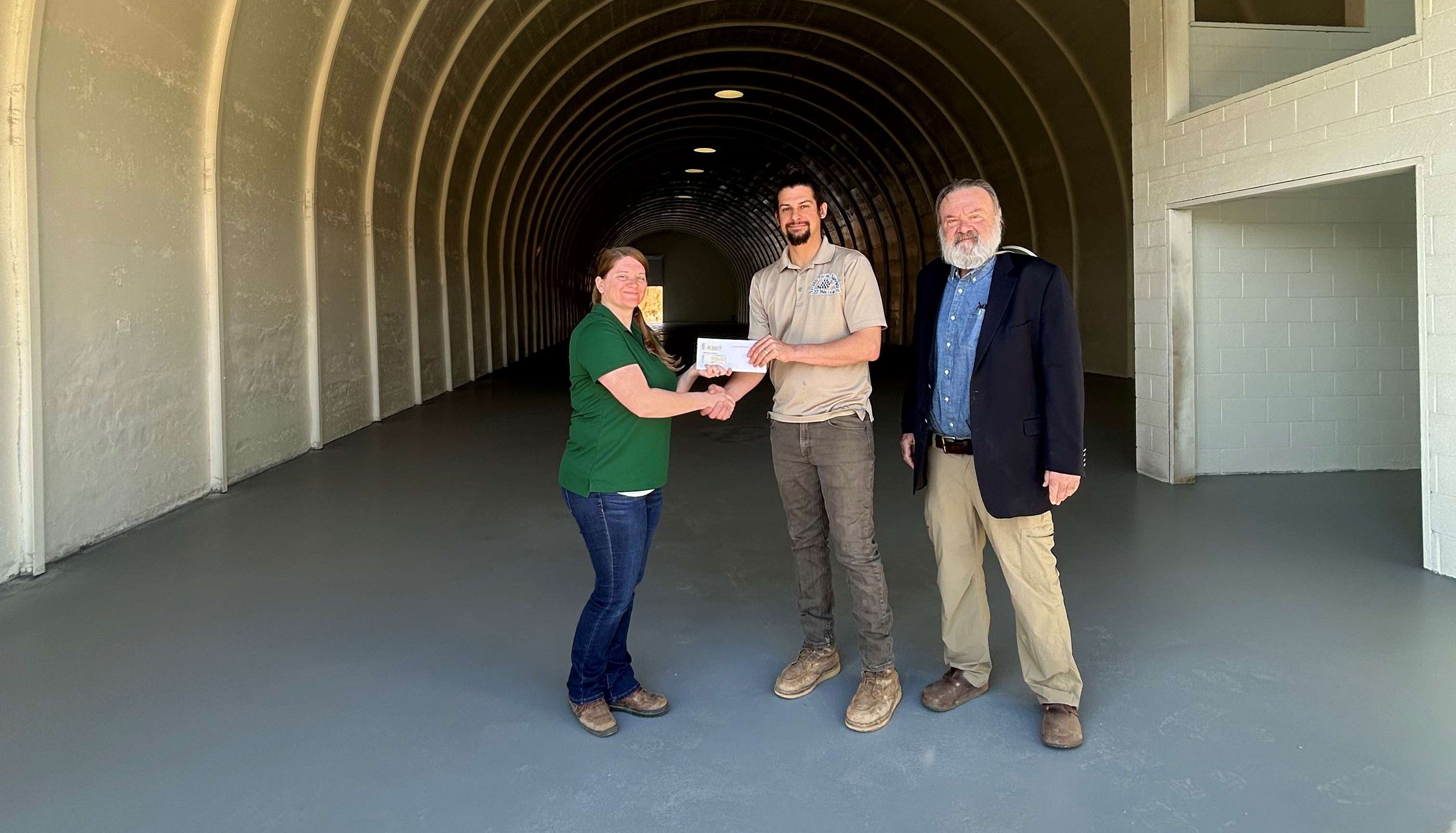
In the heart of Augusta County, Va., a fresh twist on a time-honored tradition is coming to life. At just 30 years old, John Noer is spearheading an ambitious venture in the Shenandoah Valley, transforming a historic farm into Noer Vineyards—a unique vineyard and winery. What sets this operation apart is its underground wine cave, which houses the production facility. One of only a handful on the East Coast and the largest in Virginia, Noer Vineyards’ wine cave is truly worth a closer look!
John’s journey into viticulture began long before Noer Vineyards was even a concept. As a teenager in Western Loudoun County, he helped his father tend a modest two acres of grapes. After a stint in Arizona working in specialty agriculture, John returned to Virginia to work at Willowcroft Farm Vineyards, Loudoun County’s oldest winery. There he gained hands-on experience in the vineyard, cellar and even tasting room, which contributed to the knowledge and confidence John needed to take the leap into his own vineyard project.
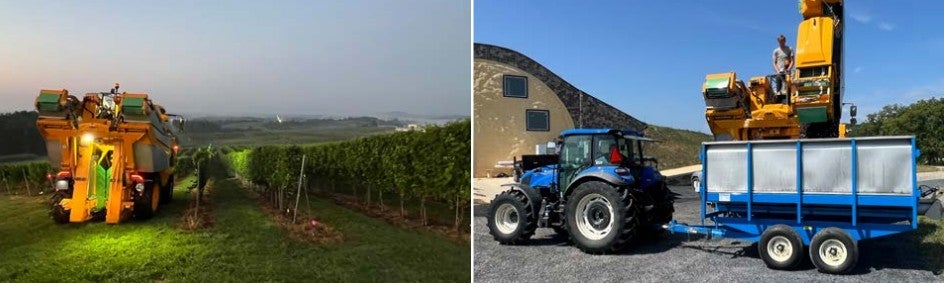
In 2018, after visiting 85 properties throughout the Shenandoah Valley, John and his family purchased the parcel of land in Verona, Va. that would become the foundation for their vertically integrated estate winery. They planted their first 25-acre block of vines in 2020, and continued adding 25-acre blocks until they reached the 100 acres under vine on the property today. By 2024, Noer Vineyards produced its first vintage in-house, and a second vintage is already underway this year. The goal is to eventually have 200-220 acres under vine, growing about 15 varietals. Currently Noer Vineyards grows 13 grape varietals, including pinot blanc, pinot gris, semillon, sauvignon blanc, chardonnay, viognier, riesling, pinot meunier, pinot noir, merlot, cabernet franc, petit verdot and cabernet sauvignon. Seven white wines from the 2024 vintage are currently available, with reds still aging in the cellar.
One of the most distinctive features of the winery is its underground cave production facility, a decision driven by both economics and wine quality. With his economist father’s guidance, John realized that the cave facility would pay off in 16-17 years, much faster than the steel building he’d originally planned on for production. John explained, “There’s no HVAC, lower maintenance and energy costs, plus reduced wine evaporation in barrels.” The cave also provides ideal humidity and temperature conditions, making it a smart long-term investment for wine production.
After spending much of his time in production during the first several years of operation, John is now more focused on expanding direct-to-consumer sales, working with wholesalers, building an e-commerce platform and designing a tasting room that will offer guests a full sensory experience: a good meal, a glass of wine and sweeping views of the valley. Tasting room construction is expected to begin this winter, with a grand opening anticipated within two years.
John’s approach to business is rooted in practicality and perseverance. “I didn’t realize how big the apple was when I took the first bite,” he says, reflecting on the scale of the project. “But turning everything into small stepping stones makes it doable.” That mindset helped him navigate the uncertainty of launching a vineyard during a global pandemic, as well as ongoing challenges such as finding the right workforce and pest management.
Fortunately, John has built a strong team around him. He employs 10 people, including a vineyard manager and associate winemaker, and maintains close relationships with his vineyard crew, many of whom he’s known for over a decade.
Mentorship has also played a key role in John’s growth. Early experiences with his father and at Willowcroft gave him a hands-on education, while more recently, guidance from Luca Paschina, winemaker at Barboursville Vineyards, has helped him scale operations and refine his own winemaking techniques.
Financing such an undertaking required the right partner, and for John, that partner was Farm Credit. “They helped us from the beginning on this project,” he shared, “from purchasing the initial land parcel to building and home loans.” He appreciates Farm Credit’s understanding of agriculture, customer service, cooperative structure and patronage refunds. “It’s nice to know the extra money goes back to the people building the business, as opposed to lining a CEO’s pocket.”
Looking ahead, John is optimistic. The 2025 vintage is shaping up beautifully, and with the tasting room on the horizon, Noer Vineyards is poised to become a destination for wine lovers across the region. For John, the most rewarding part of the journey is seeing the land transformed, watching vines he planted five years ago now yield fruit and knowing that every bottle tells a story of patience, passion and purpose. As he puts it, “This is not a fast turnaround. But those little wins along the way – they’re what make it all worth it.”
To learn more about Noer Vineyards and view their selection of wines, visit their website: NoerVineyards.com.
This feature story was originally published in the Winter 2025 Leader magazine. Access the full magazine (digital version) HERE.