Winter Farming Survival Guide: What to Prioritize When Temperatures Stay Below Freezing
Farm Management Resources
Even for seasoned operators, extended sub-freezing runs can expose weak points like water systems, nutrition plans, ventilation, fuel handling and staff readiness. The goal is resilience: prevent cascading failures, protect animal performance and position fields for spring without compaction or nutrient loss.
Why Winter Preparation Matters (Operational Lens)
Below-freezing periods (especially prolonged stretches) change the physics of your farm: water freezes, diesel gels, air gets drier and colder, soils lock up and biological processes slow down. Successful winter operations hinge on:
- Redundancy (backup power, spare parts)
- Monitoring (water, temp, airflow, fuel quality)
- Load management (human and machine)
- Preventive maintenance timed against cold snaps
Think in systems: animals → water & feed → housing/air → power & fuel → soils & nutrient cycling → people & processes.
Winter Farming Questions and Solutions
Q: What should I prioritize during extended freezing temperatures? (Tiered by risk)
A: Focus on these five pillars, ranked by potential impact:
- Water Assurance (highest risk, highest consequence)
- Redundant heat sources on primary lines and troughs (inline heaters + tank de-icers).
- Zonal isolation so you can shut sections without taking the whole farm offline.
- Flow bias: keep a minimal trickle on vulnerable runs because moving water freezes less readily.
- Daily ice audit at high-risk nodes: exposed elbows, shallow runs, shaded troughs.
- Livestock Energy Balance (performance & health)
- Ration energy density increases: cold stress pushes maintenance requirements up; aim for higher TDN and adequate effective fiber.
- Feeding frequency: split feedings to reduce heat loss from long fasting intervals.
- Trace mineral optimization (Se, Zn, Cu) for immune function under stress.
- Air & Housing Management (respiratory health without heat penalties)
- Ventilation rate control: maintain fresh air to manage humidity and ammonia while preventing drafts at animal level.
- Stack effect tuning: use ridge vents and adjustable side inlets; baffle to slow air at occupant level.
- Bedding strategy: deep-bedding to create microbial heat, but keep surface dry to avoid mastitis and foot issues.
- Equipment Reliability (fuel, batteries, hydraulics)
- Fuel management: blend to winter-grade, use anti-gel additives, water-separator checks; rotate stock.
- Battery readiness: maintain charge, insulate/storage indoors, test Cold Cranking Amps (CCA) vs. manufacturers specification.
- Hydraulic fluid: switch to appropriate viscosity for cold starts; preheat critical systems.
- Soil & Field Protection (set up spring success)
- Traffic minimization: lock out heavy passes on frozen/saturated ground.
- Cover crop stewardship: adjust grazing and termination timing to protect aggregates and root mass.
- Drainage checks before freezing to avoid ice damming and ponding.
Q: How do I prevent water sources from freezing for livestock?
A: Engineer for freeze resistance, then operate to prevent ice formation:
- System Design
- Insulated, buried lines below frost depth; upgrade vulnerable sections and joints.
- Heat tracing + insulation on exposed runs; use thermostatic controls to avoid energy wastage.
- Non-conductive troughs with tight lids/float valves; consider nose pumps in remote paddocks.
- Circulating loop with constant low-flow and a bypass to relieve static sections.
- Operational Practices
- Stagger checks (dawn/afternoon/evening) during deep cold to catch refreeze.
- De-icer rotation: keep spares and test amperage draw before a cold wave.
- Solar or battery-backed solutions for remote waterers; clear snow load off panels.
- Salt management: place blocks near water but watch intake spikes that increase water demand.
- Failure Mode Recovery
- Hot water induction on frozen spigots; avoid open flame near plastic lines.
- Targeted thaw blankets for manifolds and elbows.
- Temporary above-ground bypass with insulated hoses if underground rupture suspected.
Q: What winter issues should I expect, and how do I mitigate them?
- Frozen Pipes
- Pre-winter pressure testing; replace weak fittings; insulate voids.
- Install drain-back features on unused branches; add check valves thoughtfully.
- Map and label critical isolation points; keep tools staged nearby.
- Feed Shortages / Variability
- Buffer inventory sized to your longest historical supply disruption + 20%.
- Nutritional audits: elevate energy density (fat or fermentable carbohydrates), maintain physically effective NDF.
- Bunk management: keep surfaces dry, remove ice; adjust bunk space to prevent crowding and stress.
- Equipment Start Failures
- Block heaters & coolant heaters on a timer; warm-up sequence SOPs.
- Fuel water management: drain separators; test for microbial growth; dose biocide if needed.
- Battery preventive care: test under load; clean terminals; store spares warm.
- Soil Compaction & Ruts
- Designate sacrificial lanes and lay down mats/gravel if winter traffic is unavoidable.
- Axle load discipline: reduce loads; increase tire footprint (lower PSI within manufacturer limits).
- Post-winter remediation plan: shallow ripping, cover crop roots to re-open pores, targeted gypsum if sodic issues exist.
- Ice, Snow, Slips
- Grit bins at traffic chokepoints; non-corrosive agents near metal.
- Roof snow load watches; clear drifts at leeward sides to protect vents.
- Lighting upgrades (LED, motion sensors) to reduce accidents at dawn/dusk chores.
Q: How do I protect soil in winter?
A: Favor living roots, cover and no unnecessary traffic.
- Cover Crops
- Overwintering rye/triticale or multi-species mixes for root mass and spring N cycling.
- Grazing rules: avoid grazing wet/frozen-thaw cycles; leave residual to prevent bare patches and heave.
- Termination timing: balance biomass for mulch vs. soil temperature/agronomic windows.
- Erosion Control & Structure
- Maintain surface roughness and residue cover; utilize contour strips.
- Frost heave mitigation: perennial roots, residue armor, avoid shallow compaction layers.
- Drainage: check outlets pre-freeze; flag problem tiles for spring repair; keep beaver screens clear.
- Nutrient Strategy
- Winter manure: site selection away from watercourses, inject or incorporate when legal/feasible; storage capacity sized for prolonged freeze.
- Soil tests in late fall/early spring to benchmark nutrient movement and adjust rates.
Q: How do I reduce energy use without compromising animal health or operations?
A: Target heat losses, airflow efficiency and equipment duty cycles.
- Housing & Greenhouses
- Insulation upgrades (verify R-values; seal penetrations).
- Thermal curtains in greenhouses; night setpoints optimized for crop thresholds.
- Ventilation control via variable-speed fans; interlock with humidity sensors to prevent condensation.
- Electrical & Mechanical
- LED retrofits with high CRI for task areas; motion/timer logic.
- Heat recovery from engine rooms or milk houses if safe and dry.
- VFDs on pumps/fans for smoother ramp-ups and lower peak loads.
- Scheduling
- Run energy-intensive tasks during warmer daylight windows.
- Batch chores to minimize door cycles and temperature drops.
Q: What does robust emergency preparedness look like in winter?
A: Build a layered plan with power, communications and mutual aid.
- Power & Fuel
- Generator sizing for essential loads; test transfer switches quarterly.
- Fuel rotation with winter blend; keep logbooks for additive dosing and date codes.
- UPS for control systems (feed lines, environmental controls, monitoring).
- People & Communications
- Call-down tree and shift plans for storms; cross-train key roles.
- Incident Command style checklists: roles, decision gates and escalation triggers.
- Local supplier list with after-hours contacts; mutual aid arrangements with neighbors.
- Monitoring & Spares
- Sensor network: temp, humidity, ammonia, water flow meters at critical nodes.
- Spares: heaters, thermostats, float valves, fuses, hydraulic hoses, belts, filters.
- Tabletop drills once each season: water loss, power failure, blizzard-access scenario.
Species-Specific Notes
- Beef & Dairy Cattle
- Windbreaks + dry bedding prevent cold stress; watch MUN and adjust ration balance.
- Hoof health: keep alleys scraped; sand/roughen icy concrete.
- Small Ruminants (Sheep/Goats)
- Avoid damp bedding; selenium/vitamin E for immune support; parasite checks even in winter if temps fluctuate.
- Swine
- Maintain thermal neutrality with draft-free inlets; monitor NH₃; keep waterers unfrozen to avoid performance dips.
- Poultry
- Ventilation without drafts; watch condensation under roofs; keep litter dry, stir regularly; adjust lighting schedules for lay rates.
- Horses
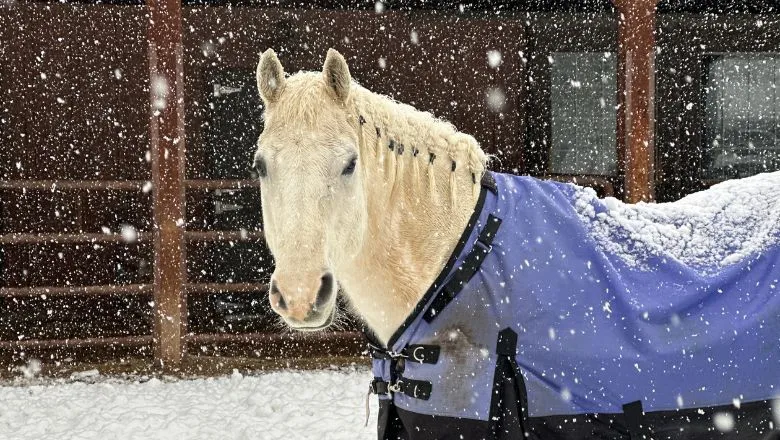
- Continuous access to unfrozen water; blanketing decisions based on body condition and shelter; traction on icy paths.
Final Thoughts
Winter success for farmers is about systems thinking and disciplined execution. Engineer for freeze resistance, maintain energy balance for livestock, ventilate precisely, manage fuel and hydraulics for reliability and shield your soils from avoidable traffic and nutrient loss. The payoff comes in fewer emergencies, better animal performance and smoother spring starts.