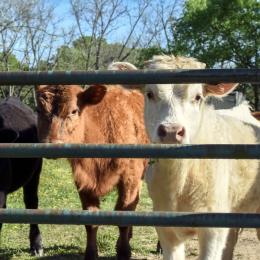
Stocker cattle are weaned calves, typically 12 months of age. The cattle have been weaned and are placed on grass, forage or a combination of supplemental feed to gain weight before they move to a...
As cooler temperatures arrive and harvest activities begin to wind down, October presents a valuable opportunity for Mid-Atlantic farmers to prepare their operations for the months ahead. From...
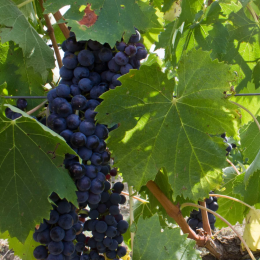
The commercial wine industry spans agriculture, manufacturing, and hospitality, revolving around two main pillars: viticulture and vinification. Viticulture is the science of cultivating, growing, and...
The orchard industry across Virginia, West Virginia and Maryland is centered primarily around apples, with peaches, cherries, pears, blueberries, blackberries, strawberries and wine grapes providing...
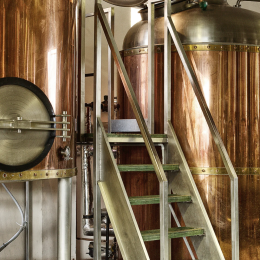
Craft breweries are small, independent beer makers that produce beer using products such as barley, wheat, hops, rye, oats and sometimes incorporating fruits, herbs, spices or honey. They often...
The Dairy Revenue Protection (DRP) and Dairy Margin Coverage (DMC) programs are risk management tools designed to help dairy producers protect their operations from market uncertainty. DRP provides...
Why Is a Mid-Year Farm Check-Up Important? By midsummer, most Mid-Atlantic farmers have a clearer picture of how the growing season is progressing. Crop conditions, input costs, equipment performance...
Spring is a critical reset point for herd and flock health across the Mid‑Atlantic. As temperatures rise and pastures green up, animals enter a high‑demand season. Breeding, calving/kidding, parasite...
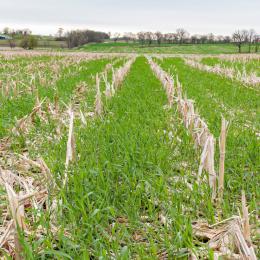
Healthy soil grows better crops, lowers input costs and helps your fields handle tough weather. The land‑grant universities in Virginia, West Virginia and Maryland provide simple, proven guidance any...
Crop insurance is a tool farmers can use to mitigate risk. Farmers have noted crop insurance as their most important agriculture risk management tool. A licensed agent can provide additional...